
Boards are increasingly shifting how they handle geopolitical events and the instability that follows. Issues previously handled by government affairs teams have now been elevated to board-level visibility, becoming core strategy decisions for companies. Rising energy prices, tariffs and supply chain fragmentation have forced businesses to change the way they think, reconsidering fundamental tradeoffs like efficiency versus long-term security, low-cost versus political resilience and global versus regional concentration. These tradeoffs are now in the hands of board members to decide how best to safeguard companies’ long-term security and interests.
One of the most significant shifts has been the movement away from lean, efficiency-driven models towards approaches that carry higher operating costs but promote long-term stability. The current geopolitical environment is marked by instability, causing boards to become increasingly proactive. Firms have historically prioritized cost-efficient production and globally diverse supply chains, yet this model has proven insufficient in today’s era of geopolitical crises. It has become increasingly important to have strategies in place before disruptions occur instead of reacting to them after the fact. Shareholders, too, demand evidence that the company is able to withstand geopolitical tension. As a result, boards are increasingly developing contingency strategies, forecasting demand and diversifying both suppliers and transportation methods.
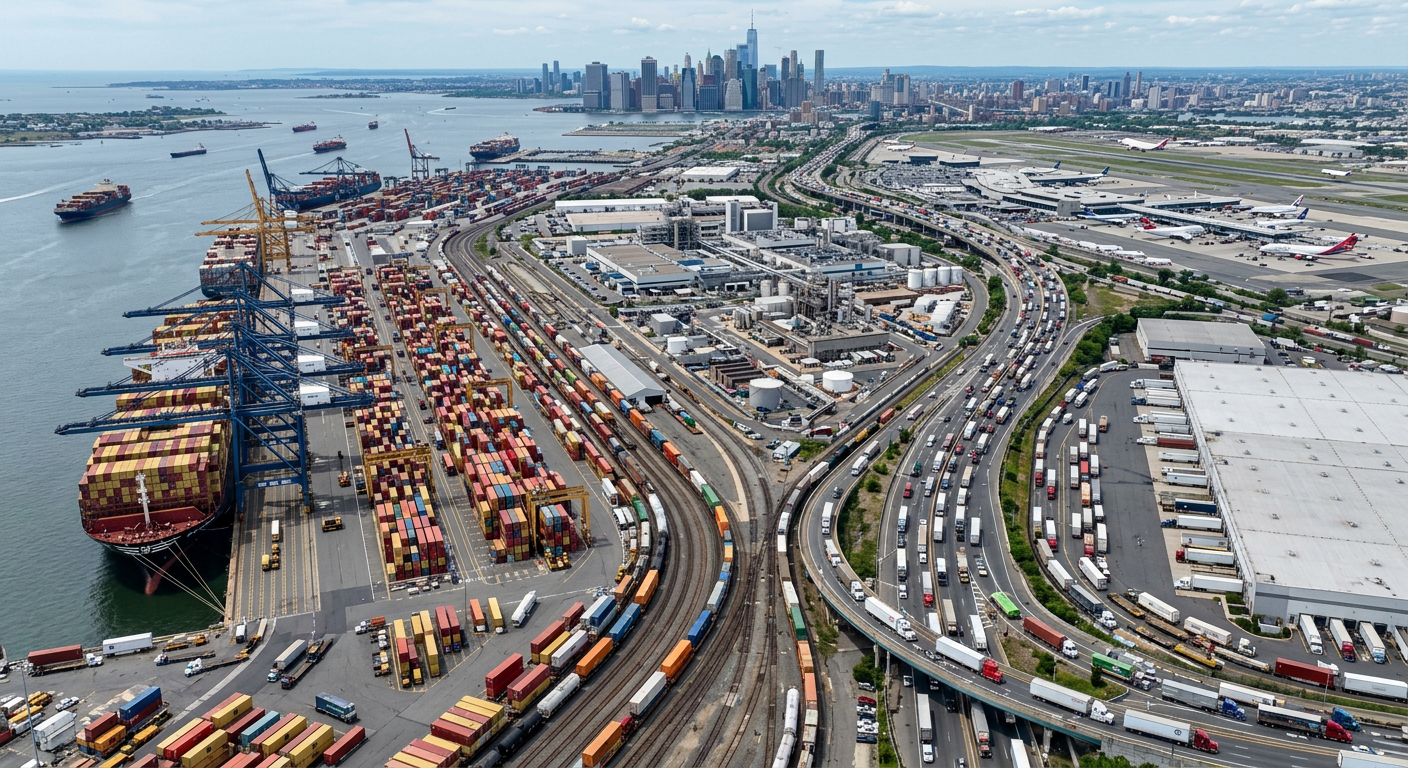
Tariffs and geopolitical conflicts have created constant disruption across global supply chains. Supply chains are gradually becoming shorter as companies prioritize proximity and reliability over cost efficiency. Significant disruptions and extended delays are no longer outliers but the norm, driven by events such as the Russian invasion of Ukraine, the European energy crisis and rising tensions between the United States and China. Furthermore, the cost of transport, energy, and raw materials is under significant pressure as a result of volatile freight markets and shipping costs. These logistics costs affect not only corporate balance sheets, but consumers too, making tariff exposure a central concern. In response, boards have begun to diversify manufacturing locations, distribute operations across multiple regions and re-evaluate supplier relationships. Tariffs have reshaped strategy to reflect geopolitical change, shifting from global partners to more regional concentration and from low-cost to durable approaches.
Ultimately, boards have begun to treat geopolitical instability as a long-term challenge that must be embedded into corporate strategy, rather than a temporary disruption. Annual risk reviews are giving way to continuous monitoring and crisis planning. Board engagement with geopolitical risk has shifted markedly in recent years, accelerating following the COVID-19 pandemic. Conversations that were once peripheral are now central, with geopolitical risk commanding dedicated agenda time. The boards best prepared for the unstable future are moving from reactive crisis management towards proactive and resilient models that promote long-term stability.
Articles Referenced:
• “How Organizations Are Reshaping Their Supply Chains: From Global Efficiency to Local Resilience,” March 2026
• “Price of consumer goods could surge as shipping costs soar, industry body says,” February 1, 2026, Joanna Partridge
• “Tariffs pose biggest threat yet to complex supply chains,” March 26, 2025, Maria Demertzis